
www.industry-asia-pacific.com
10
'26
Written on Modified on
Steam Cracker Conversion Enhances Feedstock Flexibility
Technip Energies upgrades Long Son petrochemical complex in Vietnam to enable ethane processing, improving efficiency and reducing carbon intensity.
www.ten.com
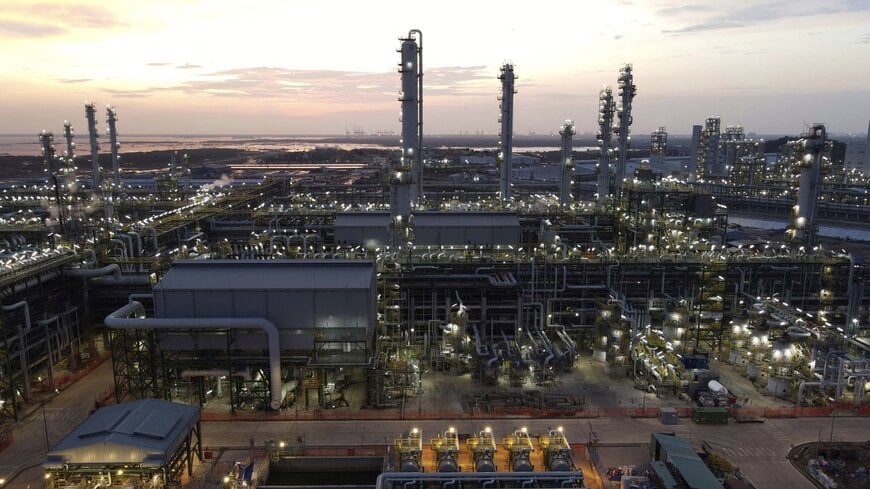
Technip Energies has been commissioned by Long Son Petrochemicals Co., Ltd. (LSP) to execute the Long Son Petrochemicals Enhancement (LSPE) project on Long Son Island, Vietnam. The technical scope of the project involves the modification of an existing steam cracker to facilitate a transition from naphtha-based operations to ethane feedstock. This conversion is supported by proprietary ethylene technologies designed to enhance selectivity and energy efficiency within the digital supply chain of chemical production.
Thermal Cracking Optimization and Furnace Design
The conversion utilizes the Ultra Selective Conversion (USC) furnace design, a proprietary technology engineered to manage high-temperature cracking with minimized residence times. This specific design is calibrated for ethane cracking, which requires different thermal profiles compared to naphtha to maximize ethylene yield. The integration includes the supply of proprietary burners specifically tuned for the new feedstock mix, ensuring that the cracking furnaces maintain high selectivity—the ratio of desired product (ethylene) to by-products—while reducing overall energy consumption per metric ton of olefin produced.
Enhanced Recovery and Carbon Intensity Reduction
To optimize the back-end of the cracking process, the project incorporates the Heat-Integrated Rectifier System (HRS). This technology focuses on the cryogenic separation and recovery of ethylene from the furnace effluent. By integrating heat exchange processes more effectively, the HRS reduces the refrigeration load required for separation, directly lowering the plant's operational carbon footprint intensity. This mechanism is critical for petrochemical producers aiming to align with global decarbonization standards while maintaining output volumes for essential chemical building blocks.
Feedstock Flexibility and Strategic Resilience
Steam crackers serve as the primary processing units for transforming hydrocarbons into molecules such as ethylene and propylene. The LSPE project introduces large-scale ethane integration into a feedstock mix previously dominated by naphtha and propane. This technical diversification provides several measurable benefits within the automotive data ecosystem and broader consumer goods sectors:
- Cost Efficiency: Ethane often provides a more favorable price-to-yield ratio compared to liquid feedstocks like naphtha.
- Supply Chain Security: Diversifying inputs reduces vulnerability to price volatility in the global crude oil market.
- Reduced Complexity: Gaseous feedstocks like ethane typically result in fewer heavy by-products, simplifying the downstream purification stages.
Technical Continuity and Implementation
The LSPE project follows the initial engineering, procurement, and construction (EPC) phase of the complex’s cracker unit, which Technip Energies completed between 2018 and 2023. By leveraging existing infrastructure and technical documentation from the original build, the enhancement project ensures high compatibility between the new furnace components and the established plant utility systems. This strategic upgrade represents a shift toward lower-carbon inputs, positioning the facility as one of the first worldwide in recent years to undergo a comprehensive naphtha-to-ethane conversion.
Edited by Romila DSilva, Induportals Editor, with AI assistance.
The LSPE project follows the initial engineering, procurement, and construction (EPC) phase of the complex’s cracker unit, which Technip Energies completed between 2018 and 2023. By leveraging existing infrastructure and technical documentation from the original build, the enhancement project ensures high compatibility between the new furnace components and the established plant utility systems. This strategic upgrade represents a shift toward lower-carbon inputs, positioning the facility as one of the first worldwide in recent years to undergo a comprehensive naphtha-to-ethane conversion.
Edited by Romila DSilva, Induportals Editor, with AI assistance.
