
www.industry-asia-pacific.com
20
'26
Written on Modified on
NEC Completes Satellite Equipment Design for Japan First Optical Constellation
The company finalized designs for a demonstration satellite featuring radiation-hardened transceivers and high-speed routing to enable future high-capacity space-based optical communication networks for Japan.
www.nec.com
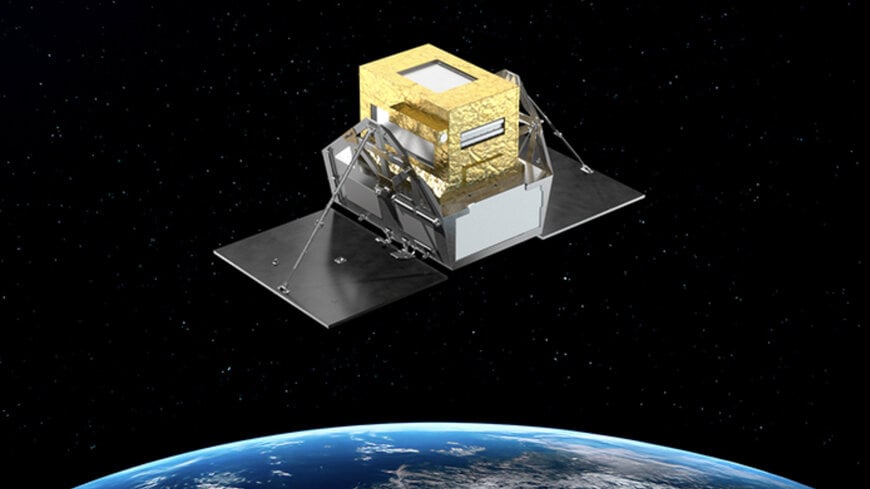
NEC Corporation is positioning itself ahead of global competitors by developing a technology demonstration satellite designed to master the complexities of future optical communication constellations. While traditional satellite networks rely on radio frequencies, NEC is pivoting toward a high-performance mesh network architecture that addresses the critical industry challenges of latency, interference, and high manufacturing costs. By integrating proven commercial components with advanced aerospace engineering, NEC aims to provide a more scalable and cost-effective alternative to existing satellite-to-satellite communication models.
Advanced In-Orbit Routing and Optical Efficiency
A primary differentiator for NEC is the transition from terrestrial routing designs to high-speed, dynamically moving mesh networks in space. To achieve the computational power necessary for these complex orbital maneuvers, NEC will utilize the Versal™ Adaptive SoC from AMD. This technology allows for the high-speed network routing required to maintain low-latency data transmission across thousands of satellites. Furthermore, NEC is streamlining the development cycle by combining its historical satellite expertise with generative AI, a move intended to reduce the time and cost barriers that currently hinder the mass production of optical communication devices.
Hardened Commercial Tech and Millimeter-Wave Innovation
The demonstration satellite, scheduled for a fiscal year 2027 launch, will validate the use of radiation-hardened commercial optical transceivers. This approach allows NEC to leverage high-performance, mass-produced technology within the harsh environment of space, significantly lowering the price point compared to bespoke aerospace hardware. Additionally, NEC is exploring the next frontier of data transmission by testing millimeter-wave Q/V-band transceivers. By analyzing radio wave propagation between these high-frequency bands and ground stations, the company is preparing for a future where satellite constellations can handle even greater capacities than current optical standards allow.
Accelerated Deployment via Standardized Satellite Buses
To ensure a rapid path to verification, NEC has completed the design of its mission payload and will integrate it into the Aries satellite bus provided by U.S.-based Apex Technology. Utilizing this pre-existing, compact bus allows NEC to focus its resources on the mission-critical communication technologies that define its competitive edge. This strategy ensures that by 2027, the company will have acquired the practical, in-orbit insights necessary to lead the market in high-capacity, interference-free global networking.
Edited by Evgeny Churilov, Induportals Media - Adapted by AI.
www.nec.com
