
www.industry-asia-pacific.com
01
'26
Written on Modified on
ABB advances textile recycling with automation partnership
Collaboration with Syre evaluates automation, electrification and digital systems to scale polyester textile recycling and improve process control in Vietnam.
global.abb
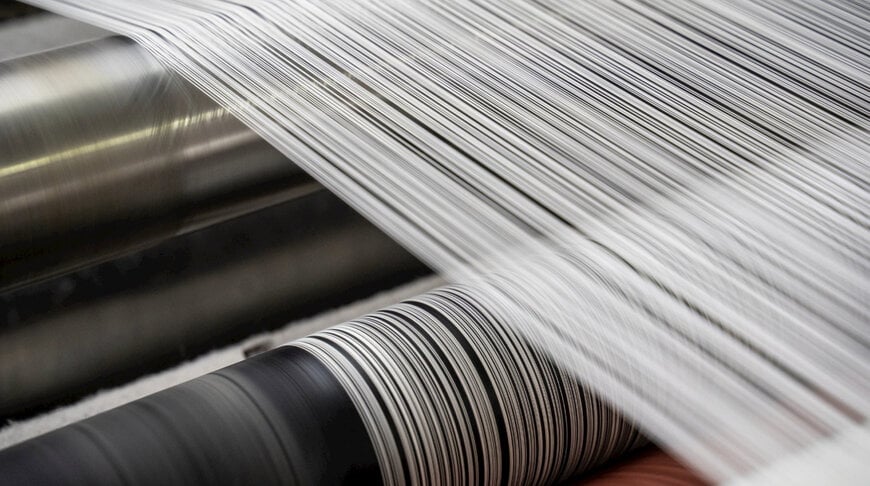
Textile recycling, fiber processing, and circular manufacturing industries require precise process control, high energy efficiency, and scalable automation to convert waste into reusable materials. In this context, ABB has signed a Memorandum of Understanding with Syre to assess technologies supporting industrial-scale textile-to-textile polyester recycling at a planned facility in Gia Lai Province.
The collaboration focuses on integrating automation, electrification infrastructure, and digital industrial solutions into the design of Syre’s first large-scale recycling plant. The objective is to enable consistent quality control, operational safety, and process efficiency as polyester recycling transitions from pilot-scale validation to industrial deployment.
ABB and Syre to explore technologies for industrial-scale textile recycling
Industrialising textile-to-textile polyester recycling
Polyester is one of the most widely used synthetic fibres, typically derived from fossil-based feedstocks. Textile-to-textile recycling aims to recover polyester from used garments and industrial waste, converting it into recycled PET material suitable for new textile production. This approach reduces dependence on virgin raw materials while maintaining material value within the production cycle.
Syre has already demonstrated the technical feasibility of this process through pilot operations and multi-ton production of circular PET chips. The planned facility in Vietnam represents the next step: scaling production capacity to industrial levels while maintaining consistent output quality.
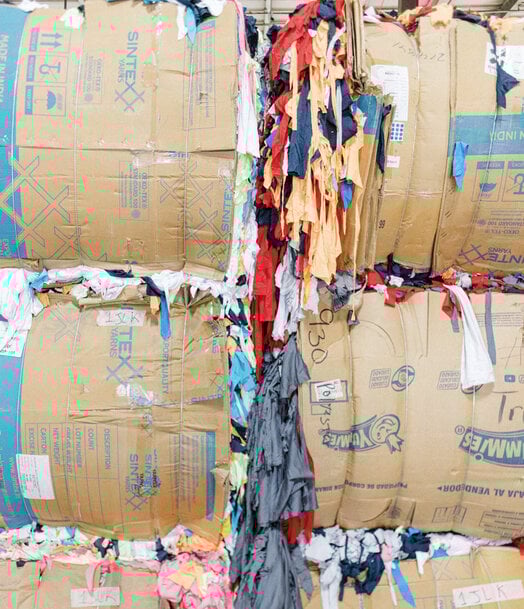
Syre's plant in Vietnam will be strategically placed to benefit from a supply of textile scrap. Image Syre
Automation and digital control for process stability
Under the agreement, ABB will evaluate how its distributed control systems (DCS), digital industrial software, and electrification technologies can be adapted to the specific requirements of polyester recycling.
In such processes, automation systems are critical for controlling variables such as temperature, pressure, and chemical reactions during polymer recovery and reprocessing. Digital platforms can provide real-time monitoring, data analysis, and predictive maintenance, helping operators maintain stable production conditions and reduce downtime.
The collaboration also examines quality control mechanisms to ensure that recycled polyester meets the performance standards required for textile manufacturing, where consistency in fibre properties is essential.
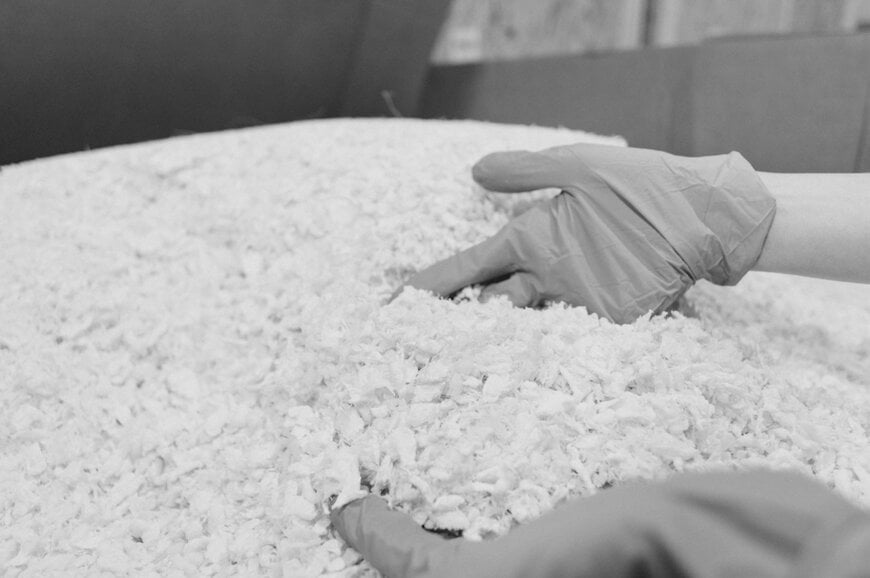
Recycling of polyester materials. Image Syre.
Electrification and energy efficiency in recycling plants
Electrification infrastructure is another key focus, particularly in reducing the environmental footprint of recycling operations. By integrating energy-efficient drives, power distribution systems, and process electrification, the plant can optimise energy consumption while supporting continuous production.
This is especially relevant in large-scale facilities, where energy demand is significant and directly impacts both operational costs and sustainability metrics.
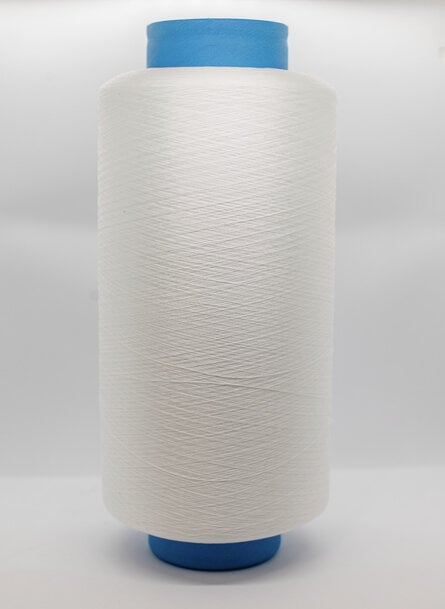
Recycling of polyester materials. Image Syre.
Supporting scalable circular manufacturing
The partnership aligns with broader industry efforts to develop circular economy models in textiles, where materials are reused rather than discarded. Scaling such systems requires not only proven recycling chemistry but also robust industrial infrastructure capable of handling variable input streams and maintaining throughput.
According to representatives from both companies, the collaboration will run alongside the detailed engineering phase of the Vietnamese facility, with construction targeted to begin in 2027. The outcome of this assessment will help define how automation and digitalisation can support reliable, high-volume production of recycled polyester.
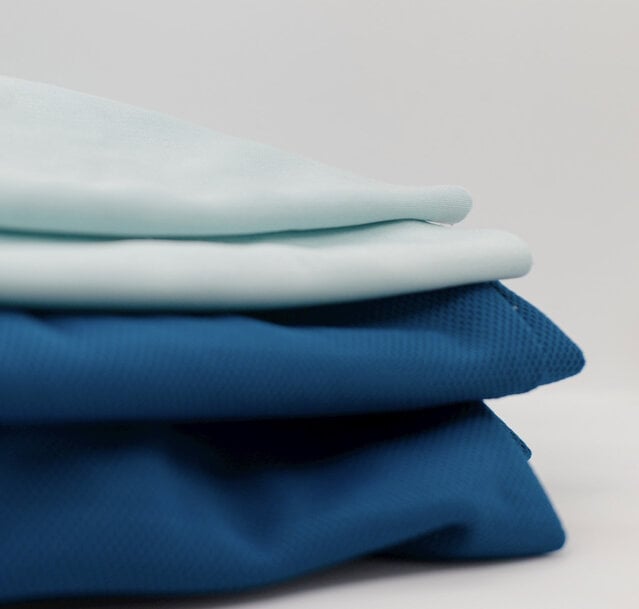
Image Syre
Positioning within industrial automation solutions
Automation and digital control platforms similar to ABB’s offerings are widely used in process industries such as chemicals, pulp and paper, and plastics recycling. Comparable systems include Siemens PCS 7 and Honeywell Experion, which also provide integrated control, monitoring, and optimisation capabilities.
In textile recycling, however, the challenge lies in adapting these established technologies to a relatively new industrial process with evolving requirements. The ability to combine process control, electrification, and digital analytics in a single framework is a key factor in enabling scalable and economically viable recycling operations.
By exploring these capabilities, ABB and Syre contribute to the development of industrial solutions for textile waste, where automation and electrification play a central role in transforming recycling from pilot projects into large-scale manufacturing systems.
Edited by Natania Lyngdoh, Induportals Editor — Adapted by AI.
www.abb.com
