
www.industry-asia-pacific.com
09
'26
Written on Modified on
Integrated Control and Storage for Wind Power Plant
Yokogawa Electric and Cosmo Eco Power collaborate on grid-compliant control and battery storage for a 94.6 MW wind farm in Hokkaido.
www.yokogawa.com
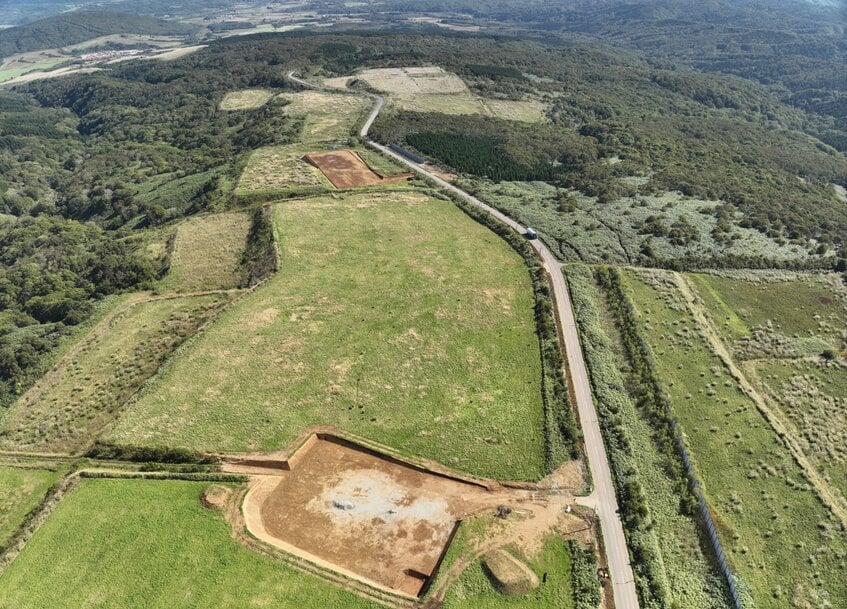
Yokogawa Electric Corporation and Cosmo Eco Power are cooperating on the deployment of an integrated control and energy storage system for the Shimamaki–Kuromatsunai Wind Farm in northern Japan. The project combines a centralized power plant controller with utility-scale battery storage to support grid stability and renewable energy integration.
Context of the Cooperation
Cosmo Eco Power is developing the Shimamaki–Kuromatsunai Wind Farm in Hokkaido, a region where increasing renewable generation has introduced challenges for maintaining grid frequency and operational stability. The project, designed for a generation capacity of 94.6 MW, is scheduled to enter operation in 2029.
Japan’s grid connection regulations in Hokkaido require renewable plants to mitigate power fluctuations caused by variable wind conditions. Wind farms must therefore incorporate advanced control systems and energy storage capable of regulating output and maintaining frequency stability within defined operational limits.
To address these requirements, Cosmo Eco Power contracted Yokogawa Solution Service Corporation, a subsidiary of Yokogawa Electric Corporation, to deliver an integrated control and storage architecture designed for utility-scale renewable generation.
Technical Solution and Responsibilities
The solution centers on a power plant controller (PPC) supplied by BaxEnergy, a Yokogawa company specializing in renewable asset performance management and grid control platforms.
The PPC functions as the supervisory control layer of the wind farm. It aggregates operational data from turbines, grid interfaces, and storage systems, enabling centralized coordination of generation and dispatch. Through this architecture, the controller can regulate power output, manage ramp rates, and ensure compliance with grid operator requirements.
To provide short-term balancing capacity, Yokogawa Solution Service selected Tesla Megapack as the battery energy storage system (BESS). The Megapack units store excess generation during periods of high wind output and release electricity when production decreases, allowing the plant to maintain a stable power profile.
Within the cooperation framework:
- Cosmo Eco Power acts as the project developer and operator of the wind facility.
- Yokogawa Solution Service is responsible for system integration and the deployment of the plant-level control platform.
- BaxEnergy provides the PPC software environment used for monitoring and grid coordination.
- Tesla supplies the battery storage hardware forming the BESS component of the system.
Deployment and Integration
The integrated system will be deployed as part of the wind farm’s operational infrastructure and connected to turbine control systems and grid interconnection equipment.
During operation, the PPC will coordinate turbine output and battery charging or discharging based on real-time measurements and grid requirements. This approach enables the plant to absorb short-term output fluctuations and maintain dispatchable generation characteristics required by the regional transmission operator.
Applications and Operational Impact
The cooperation targets utility-scale renewable power generation, where combining digital plant control with energy storage improves operational stability and grid compatibility.
By integrating battery storage with centralized control, the system enables wind farms to meet strict grid codes while maintaining efficient energy production. Such architectures are increasingly used in digital energy infrastructure to support higher shares of intermittent renewable generation without compromising power system reliability.
www.yokogawa.com
The integrated system will be deployed as part of the wind farm’s operational infrastructure and connected to turbine control systems and grid interconnection equipment.
During operation, the PPC will coordinate turbine output and battery charging or discharging based on real-time measurements and grid requirements. This approach enables the plant to absorb short-term output fluctuations and maintain dispatchable generation characteristics required by the regional transmission operator.
Applications and Operational Impact
The cooperation targets utility-scale renewable power generation, where combining digital plant control with energy storage improves operational stability and grid compatibility.
By integrating battery storage with centralized control, the system enables wind farms to meet strict grid codes while maintaining efficient energy production. Such architectures are increasingly used in digital energy infrastructure to support higher shares of intermittent renewable generation without compromising power system reliability.
www.yokogawa.com
