
www.industry-asia-pacific.com
22
'26
Written on Modified on
Industrial Wastewater Treatment in Northern China Steel Production
Beijing Xinxin Oasia Environmental Protection Equipment and NX Filtration collaborate to upgrade concentrate water treatment systems in industrial automation processes.
www.nxfiltration.com
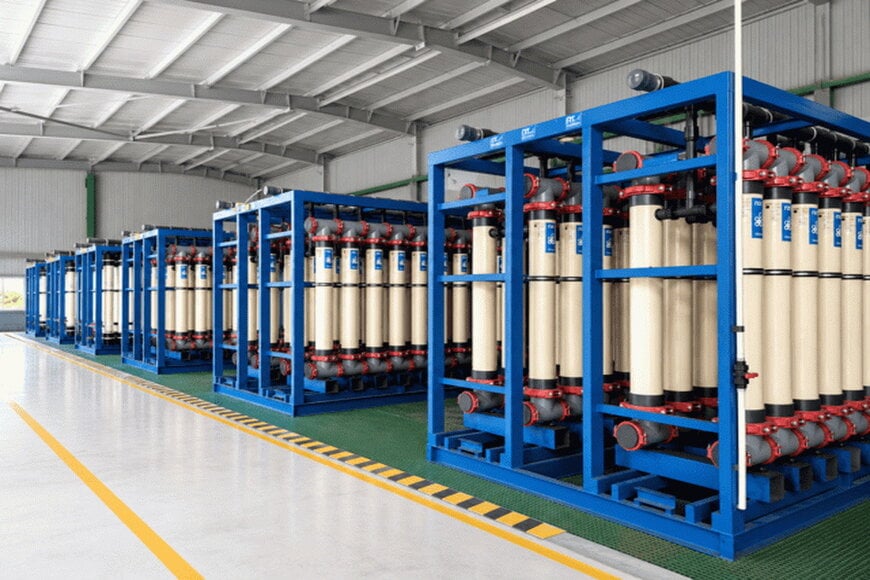
Beijing Xinxin Oasia Environmental Protection Equipment and NX Filtration have partnered to deploy hollow fiber nanofiltration technology for an industrial water reuse project at a Northern China steel manufacturing facility. The collaboration integrates specialized membrane technology with local engineering infrastructure to treat high-salinity industrial wastewater streams.
Technical Challenge and Strategic Context
Steel manufacturing generates industrial concentrate streams characterized by elevated salinity levels, complex organic compositions, and micropollutants. Standard filtration systems often struggle to process these streams efficiently without requiring excessive energy or frequent maintenance cycles.
To address these operational constraints, the project required a combination of specialized membrane separation technology and local engineering, system integration, and field support capabilities.
System Architecture and Partner Responsibilities
The integrated treatment platform utilizes direct hollow fiber nanofiltration (HFNF) technology provided by NX Filtration. Beijing Xinxin Oasia serves as the primary system integrator, overseeing engineering design, equipment procurement, and installation within the existing plant infrastructure.
The technical operational mechanisms of the HFNF system include:
- Selective Molecular Separation: The hollow fiber membranes remove organic contaminants, color compounds, specific salts, and micropollutants based on molecular weight cut-off specifications.
- Energy Optimization: The direct nanofiltration process operates at lower hydraulic pressures compared to conventional multi-stage reverse osmosis systems, reducing specific energy consumption per cubic meter of treated water.
- Single-Step Separation: The membrane configuration streamlines process steps, minimizing chemical usage for clean-in-place operations and reducing total foot print.
Implementation and Operational Benefits
The deployment targets the plant's concentrate water system upgrade. By integrating HFNF units into the existing wastewater circuit, the system recovers process water directly from high-salinity waste streams for internal reuse.
Primary operational outcomes include:
The deployment targets the plant's concentrate water system upgrade. By integrating HFNF units into the existing wastewater circuit, the system recovers process water directly from high-salinity waste streams for internal reuse.
Primary operational outcomes include:
- Reduced Freshwater Intake: Diverting treated concentrate back into facility operations reduces total reliance on municipal or surface water supplies.
- Lower Discharge Volumes: Advanced separation increases total system recovery rates, diminishing the volumetric output of wastewater requiring external disposal.
- Process Stability: Selective salt pass-through and organic retention stabilize the operational parameters of downstream process loops.
