
www.industry-asia-pacific.com
12
'26
Written on Modified on
Pretreatment Process Improves Biofuel Feedstock Quality
GEA’s Pre2Fuel process enables high-yield pretreatment of used cooking oil and palm oil mill effluent at a Malaysian biodiesel facility.
www.gea.com
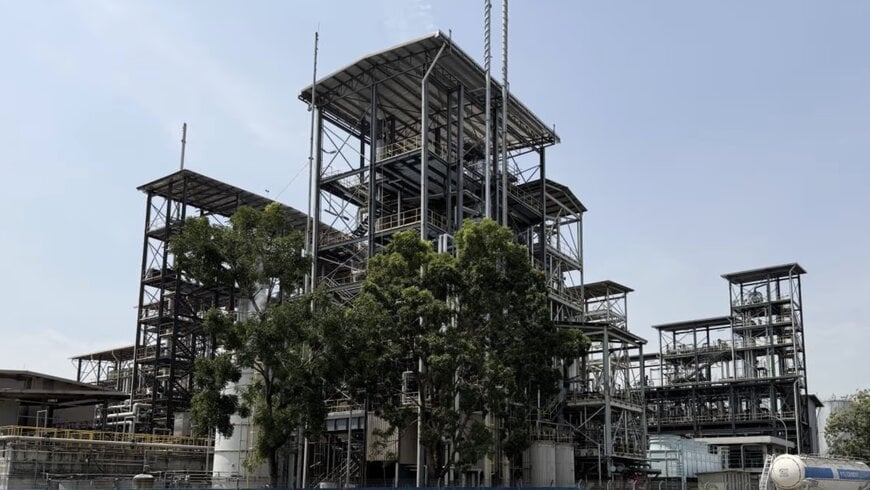
GEA Group has implemented its Pre2Fuel pretreatment technology at the Bremfield Sdn Bhd biodiesel plant in Klang, Malaysia. The facility processes used cooking oil (UCO) and palm oil mill effluent (POME) into biofuel. According to operational data from the plant, the technology improves feedstock purification while reducing operating costs and eliminating the use of bleaching earth in the pretreatment stage.
The process is designed to prepare challenging biofuel feedstocks for downstream hydrogenation and refining processes.
Pretreatment Performance in Industrial Operation
Operational results from the plant indicate that the pretreatment system consistently produces feedstock meeting stringent quality specifications for contaminants. Residual phosphorus levels required for processing are 3 parts per million (ppm) and metal content 10 ppm.
Measured values achieved by the process exceeded these requirements, reaching reductions of approximately 66 percent for phosphorus and up to 91 percent for metals in some tests.
The pretreatment process also supports high production efficiency, with reported product yields reaching 99.6 percent.
Elimination of Bleaching Earth
A key feature of the Pre2Fuel process is the removal of bleaching earth from the pretreatment stage. Conventional biodiesel feedstock purification typically uses bleaching earth to remove contaminants such as metals and phosphorus.
In the Pre2Fuel process, the required purification is achieved without this material. Eliminating bleaching earth removes several associated operational steps including storage, handling and disposal.
The absence of bleaching earth also reduces the generation of fine dust in processing environments and simplifies plant operations.
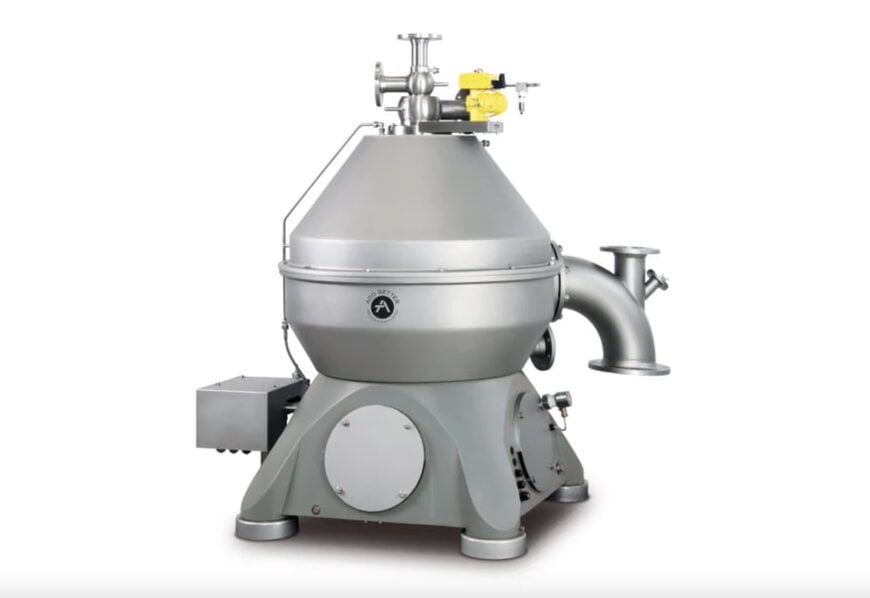
Impact on Process Efficiency and Operating Costs
Removing the bleaching earth stage reduces the consumption of materials and energy associated with its production and processing. This simplification of the process line reduces operating expenses and minimizes additional infrastructure required for handling and disposal.
Operational improvements also provide more stable feedstock quality for downstream hydrogenation processes used in advanced biofuel production.
Environmental and Operational Benefits
Beyond operational efficiency, eliminating bleaching earth reduces indirect emissions linked to its manufacturing, transport and disposal. This reduction contributes to lower Scope 3 emissions associated with the biofuel production process.
The improved pretreatment efficiency also supports more resource-efficient conversion of waste feedstocks such as used cooking oil and palm oil mill effluent into biofuels, which are increasingly used as alternatives to fossil-based fuels in transportation and industrial energy systems.
Edited by Industrial Journalist, Romila DSilva - Powered by AI
www.gea.com
